Psychology
System 1 / System 2
The mind runs on a fast, intuitive system and a slow, deliberate one.
Books that use this model

Thinking, Fast and Slow
by Daniel Kahneman
Non-FictionPsychologyDecision MakingBehavioral Economics$17.004.2 / 5A tour of the mind explaining the two systems that drive the way we think — one fast and intuitive, the other slow and deliberate.

Carry More Without Breaking
by Benjamin Lavoie
Self-HelpPersonal GrowthMental HealthPsychologyFor the man who's holding it all together — family, work, money, responsibility — but quietly burning out. A guide to carrying more of life's load without breaking under it. (Description drafted from the book's cover copy.)

The Status Game
by Will Storr
PsychologyStatusSocial PsychologyHuman NatureStorr examines how humans compete for status through games of dominance, virtue, and success, and how that competition shapes groups, politics, and everyday life.
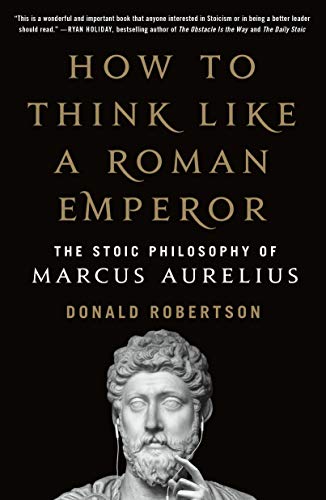
How to Think Like a Roman Emperor
by Donald Robertson
PhilosophyStoicismMarcus AureliusPsychologyA cognitive-behavioral therapist tells the life of Marcus Aurelius as a worked example — each chapter pairs an episode from the emperor's life with the Stoic practice he used to meet it.

How Big Things Get Done
by Bent Flyvbjerg & Dan Gardner
BusinessProject ManagementPlanningDecision-MakingFlyvbjerg's database of 16,000 projects explains why big things run late and over budget — optimism, uniqueness bias, haste — and the discipline of thinking slow and acting fast.

The Master and His Emissary: The Divided Brain and the Making of the Western World
by Iain McGilchrist
PsychologyBrainAttentionCultureMcGilchrist argues the brain's two hemispheres attend to the world in rival ways — one grasping the whole, one seizing the parts — and that Western culture has increasingly handed authority to the wrong one.
Explore other models
- First Principles Thinking
- Compounding
- Inversion
- Second-Order Thinking
- Occam's Razor
- Loss Aversion
- Map Is Not the Territory
- Circle of Competence
- Opportunity Cost
- Hanlon's Razor
- Narrative Fallacy
- Incentives
- Feedback Loops
- Emergence
- Social Proof
- Hormesis
- Margin of Safety
- Power Laws
- The Adjacent Possible
- Exaptation
- Consilience
- The Lindy Effect
- Antifragility
- Natural Selection
- Adaptation
- Ecosystems
- The Niche
- Carrying Capacity
- Red Queen Effect
- Diversity as Insurance