Epistemology
Map Is Not the Territory
Our models of reality are not reality itself — beware confusing them.
Books that use this model
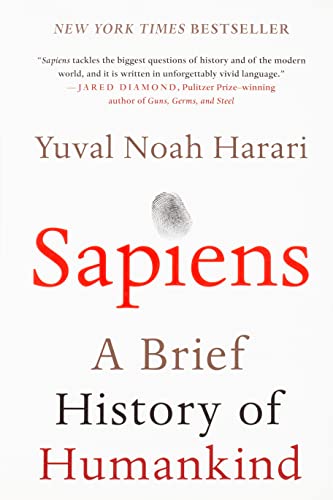
Sapiens: A Brief History of Humankind
by Yuval Noah Harari
Non-FictionHistoryAnthropologyPhilosophy$22.004.5 / 5A sweeping narrative of humanity from the Stone Age to the twenty-first century.

Educated
by Tara Westover
MemoirFamilyPersonal GrowthEducation$18.004.4 / 5A memoir about a young girl who, kept out of school, leaves her survivalist family and goes on to earn a PhD from Cambridge.
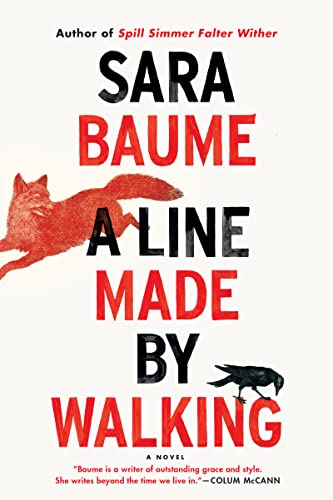
A Line Made by Walking
by Sara Baume
FictionContemporaryIrish FictionArt$16.004.1 / 5A quiet, precise novel about an artist retreating to her deceased grandmother's rural cottage to find a new way of seeing.
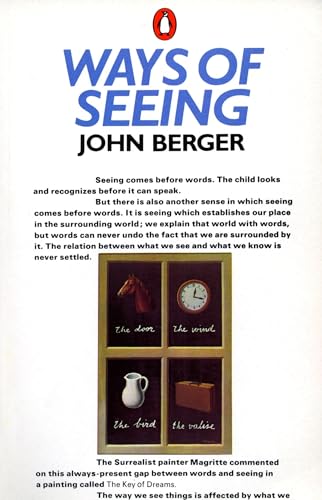
Ways of Seeing
by John Berger
DesignArt CriticismVisual CultureClassic$15.504.7 / 5A landmark book on how we view art, advertising, and the images that surround us in modern life.
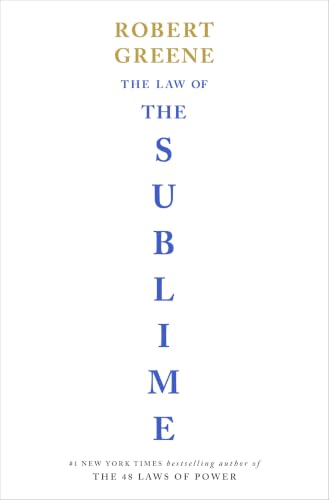
The Law of the Sublime
by Robert Greene
Self-HelpPhilosophyPsychologyPersonal Growth$38.00From the author of The 48 Laws of Power: a guide to the sublime — the moments of awe that break us out of the narrow circle of everyday consciousness — drawn from science, history, art, and nature, with practical exercises in every chapter. Greene wrote it over seven years following his stroke.
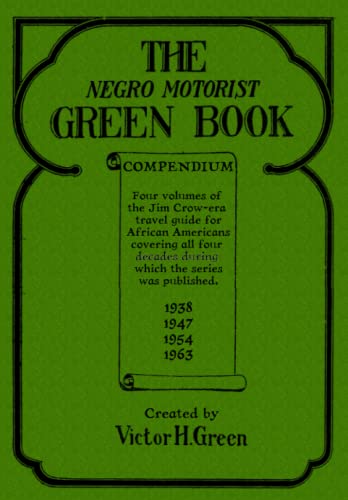
The Negro Motorist Green Book Compendium
by Victor H. Green
Non-FictionHistoryTravelCultureFour complete editions of Victor Green's landmark travel guide — 1938, 1947, 1954, and 1963–64 — reproduced in one volume: the hotels, restaurants, garages, and businesses where Black travelers could safely stop, eat, and sleep in segregated America, decade by decade.

Understanding Human Nature
by Alfred Adler
PsychologyPersonalityHuman NatureDrawn from Adler's public lectures in Vienna, this is his own introduction to individual psychology: how inferiority, striving, and early experience form personality and character.
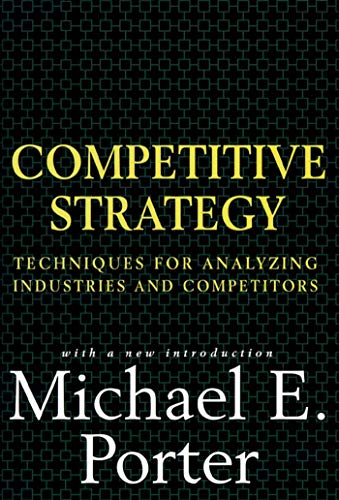
Competitive Strategy
by Michael E. Porter
BusinessStrategyCompetitionIndustry AnalysisPorter's founding text of modern strategy: the Five Forces that shape an industry's structure, and the three generic strategies — cost leadership, differentiation, focus — for positioning inside it.

The Inner Citadel
by Pierre Hadot
PhilosophyStoicismMarcus AureliusSpiritual ExercisesHadot's landmark study of Marcus Aurelius's Meditations shows the notebook for what it was: not a diary but a discipline — spiritual exercises built on Epictetus's three disciplines of desire, action, and assent.
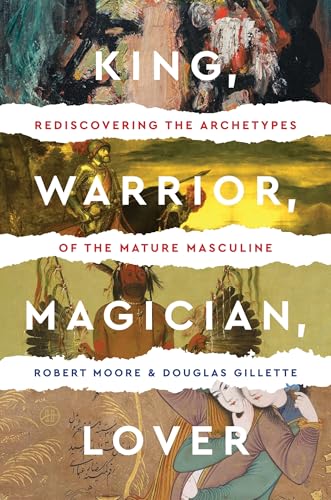
King, Warrior, Magician, Lover
by Robert Moore & Douglas Gillette
PsychologyMasculinityArchetypesPersonal GrowthTwo Jungian analysts map the mature masculine into four archetypes — the King who orders and blesses, the Warrior who acts, the Magician who knows, the Lover who connects — and show what each looks like in its fullness and in its shadow. The full title: Rediscovering the Archetypes of the Mature Masculine.

How Emotions Are Made
by Lisa Feldman Barrett
PsychologyNeuroscienceEmotionsPerceptionA leading neuroscientist overturns the classical view of emotion: emotions are not universal reflexes hardwired into separate brain regions but predictions your brain constructs from bodily sensations, past experience, and culture — a revolution with consequences for health, law, and self-knowledge.
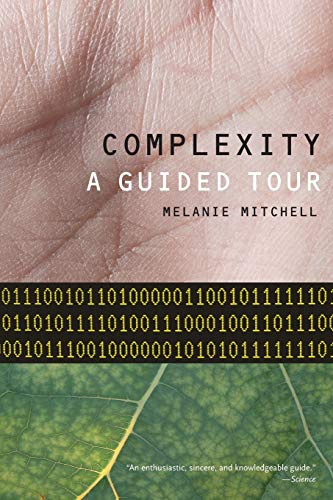
Complexity: A Guided Tour
by Melanie Mitchell
Non-FictionComplexityEmergenceNetworksA Santa Fe Institute tour of complexity science: how ant colonies, immune systems, economies, and the web produce large-scale order from simple local interactions.
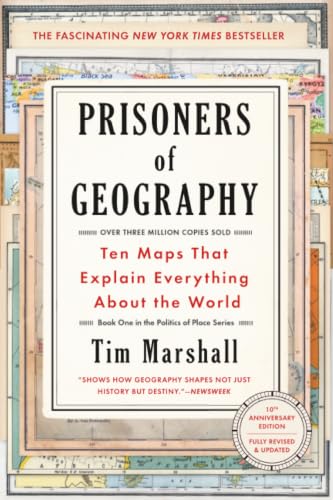
Prisoners of Geography
by Tim Marshall
Non-FictionGeopoliticsGeographyMapsTen maps that explain world politics: how mountains, rivers, plains, and ports constrain what nations can do, whatever their leaders intend.
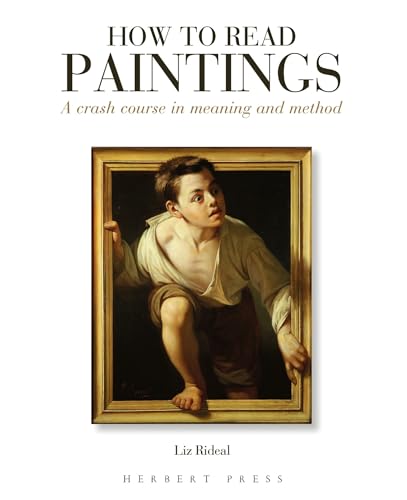
How to Read Paintings
by Liz Rideal
Non-FictionArtPaintingInterpretationA crash course in reading Western painting: composition, medium, signs and symbols, worked through fifty artworks from da Vinci to Van Gogh.

Seeing Like a State: How Certain Schemes to Improve the Human Condition Have Failed
by James C. Scott
Non-FictionGovernmentPlanningSystemsScott on why grand schemes to improve the human condition so often fail: states simplify living societies into legible grids, then mistake the map for the territory — and crush the local knowledge that made things work.
Metaphors We Live By
by George Lakoff & Mark Johnson
PhilosophyLanguageMetaphorCognitionLakoff and Johnson's classic argument that metaphor is not decoration but the machinery of thought itself: we understand arguments as war, time as money, and ideas as objects — and those framings steer what we do.
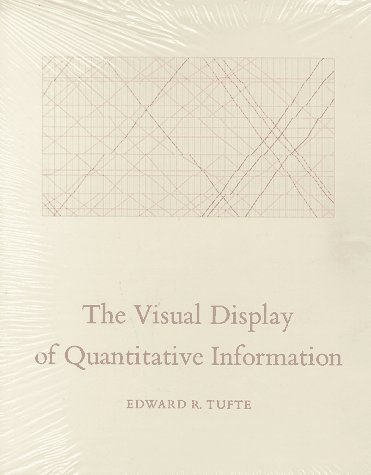
The Visual Display of Quantitative Information
by Edward R. Tufte
DesignData VisualizationStatisticsTufte's founding text of data visualization: data-ink, chartjunk, small multiples, and the ethics of showing numbers honestly — the Strunk & White of graphs, printed as beautifully as it preaches.
Explore other models
- First Principles Thinking
- Compounding
- Inversion
- Second-Order Thinking
- Occam's Razor
- System 1 / System 2
- Loss Aversion
- Circle of Competence
- Opportunity Cost
- Hanlon's Razor
- Narrative Fallacy
- Incentives
- Feedback Loops
- Emergence
- Social Proof
- Hormesis
- Margin of Safety
- Power Laws
- The Adjacent Possible
- Exaptation
- Consilience
- The Lindy Effect
- Antifragility
- Natural Selection
- Adaptation
- Ecosystems
- The Niche
- Carrying Capacity
- Red Queen Effect
- Diversity as Insurance