Psychology
Social Proof
We copy what the people around us visibly do — imitation is the mind's shortcut for deciding what is normal, safe, and worth wanting.
Books that use this model
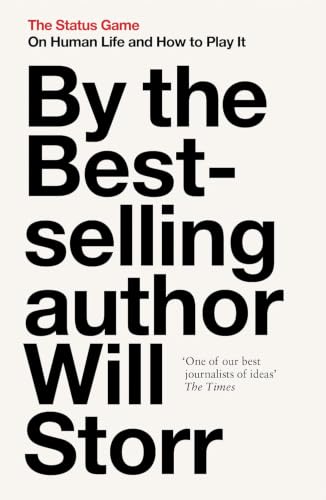
The Status Game
by Will Storr
PsychologyStatusSocial PsychologyHuman NatureStorr examines how humans compete for status through games of dominance, virtue, and success, and how that competition shapes groups, politics, and everyday life.
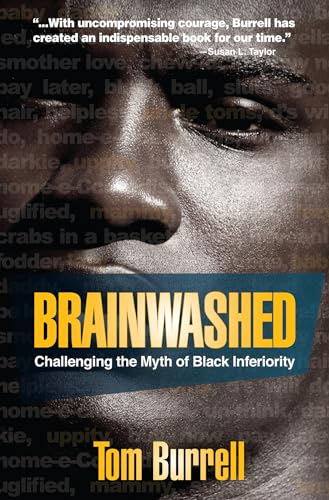
Brainwashed: Challenging the Myth of Black Inferiority
by Tom Burrell
Non-FictionMediaPropagandaBlack IdentityAn advertising legend turns his own tools on the industry that made him. Burrell — founder of Burrell Communications, the agency that changed how America markets to Black consumers — argues that centuries of propaganda sold a myth of Black inferiority so effectively that its targets internalized it, and lays out how to undo the brainwash.
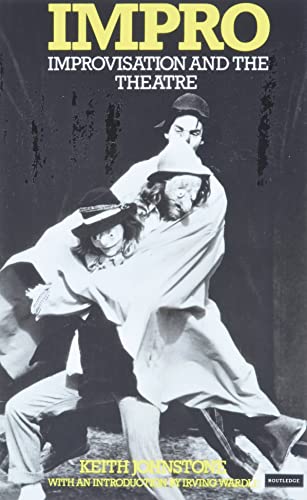
Impro: Improvisation and the Theatre
by Keith Johnstone
Non-FictionImprovisationTheatreStatusCreativityJohnstone's landmark on improvisation: status games, spontaneity, and narrative skill — why we block our own imaginations, and the exercises that unblock them. A theatre book that reads as a manual for creative life.
Explore other models
- First Principles Thinking
- Compounding
- Inversion
- Second-Order Thinking
- Occam's Razor
- System 1 / System 2
- Loss Aversion
- Map Is Not the Territory
- Circle of Competence
- Opportunity Cost
- Hanlon's Razor
- Narrative Fallacy
- Incentives
- Feedback Loops
- Emergence
- Hormesis
- Margin of Safety
- Power Laws
- The Adjacent Possible
- Exaptation
- Consilience
- The Lindy Effect
- Antifragility
- Natural Selection
- Adaptation
- Ecosystems
- The Niche
- Carrying Capacity
- Red Queen Effect
- Diversity as Insurance