Philosophy
First Principles Thinking
Break a problem down to its most fundamental truths and reason up from there.
Books that use this model
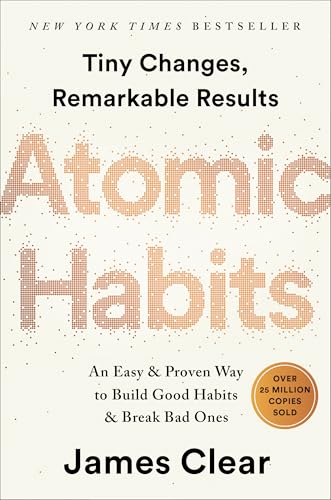
Atomic Habits
by James Clear
Self-HelpProductivityPersonal GrowthPsychology$27.004.3 / 5An easy and proven way to build good habits and break bad ones through tiny changes that deliver remarkable results.

Project Hail Mary
by Andy Weir
Science FictionSpaceAdventureFriendship$23.004.7 / 5A lone astronaut must save humanity from extinction — but he can't remember why he was sent.
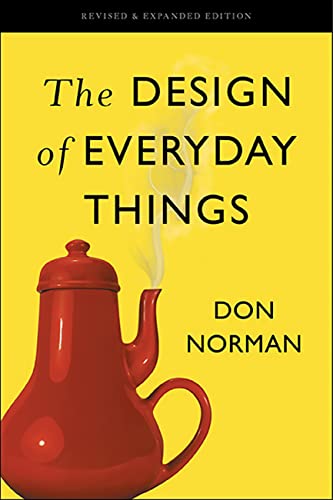
The Design of Everyday Things
by Don Norman
DesignUsabilityPsychology$20.004.6 / 5A foundational guide to user-centered design, showing how the objects around us reveal the principles of good and bad design.

The Farther Reaches of Human Nature
by Abraham H. Maslow
PsychologySelf-ActualizationHuman PotentialPublished after his death, Maslow's final book extends his work on human motivation into self-actualization, peak experiences, and the farther reaches of human growth.
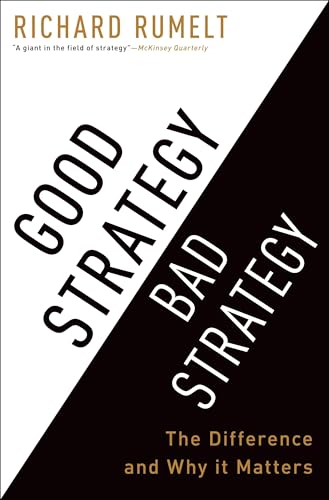
Good Strategy Bad Strategy
by Richard Rumelt
BusinessStrategyLeadershipDecision-MakingRumelt separates real strategy from buzzwords and ambition: a good strategy is a kernel of diagnosis, guiding policy, and coherent action aimed at the crux of a challenge.
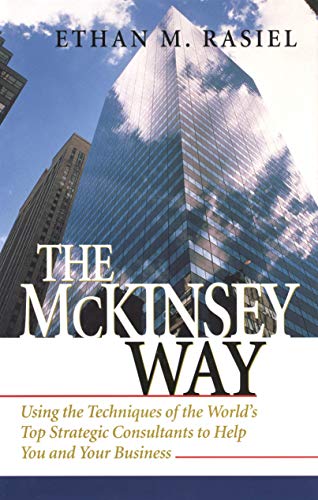
The McKinsey Way
by Ethan M. Rasiel
BusinessProblem-SolvingConsultingManagementA former McKinsey associate lays out the firm's working method: hypothesis-driven, MECE-structured problem solving, the 80/20 rule, and how the world's most secretive consultancy thinks through a client's problem.

How to Be a Stoic
by Massimo Pigliucci
PhilosophyStoicismModern LifePracticeA philosopher works through Stoicism in imagined conversation with Epictetus himself — the disciplines of desire, action, and assent translated into a program for modern life.
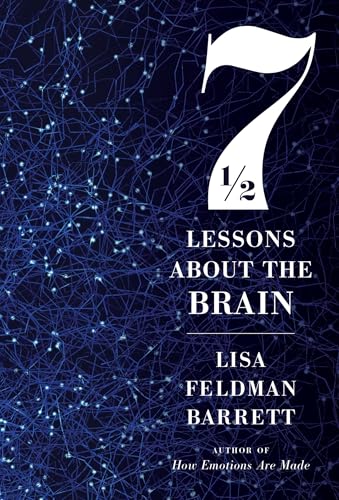
Seven and a Half Lessons About the Brain
by Lisa Feldman Barrett
PsychologyNeuroscienceBrainPerceptionSeven short essays — and a half — on what the brain actually is: not a reaction machine with a rational rider on top, but a prediction organ that evolved to run the body's budget. Barrett retires the lizard-brain myth and rebuilds the basics in two hundred brisk pages.
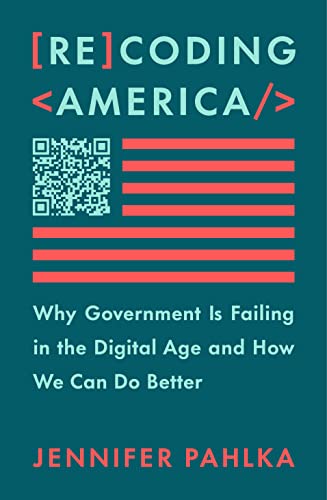
Recoding America
by Jennifer Pahlka
Non-FictionGovernmentTechnologyPublic ServiceThe founder of Code for America on why government fails in the digital age: policy written without delivery in mind, and how to rebuild the state's capacity to implement.
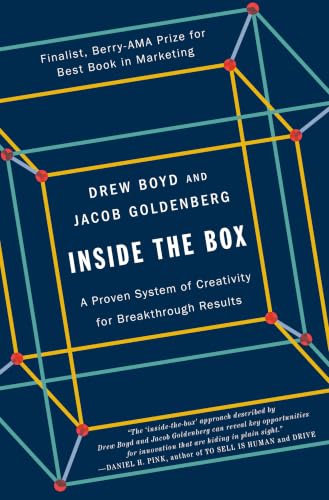
Inside the Box
by Drew Boyd & Jacob Goldenberg
BusinessCreativityInnovationProblem SolvingSystematic Inventive Thinking: creativity as a discipline of working inside the box — subtract, multiply, divide, unify, and depend — rather than waiting for inspiration outside it.
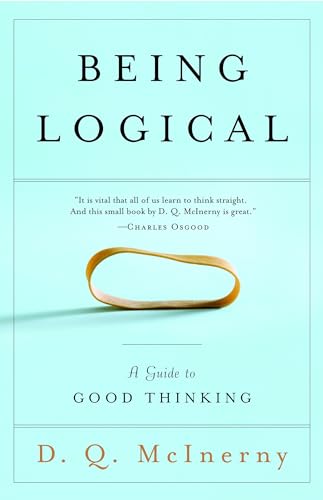
Being Logical
by D. Q. McInerny
PhilosophyLogicCritical ThinkingArgumentA short, lucid primer on thinking straight: preparing the mind for logic, building an argument from premises to conclusion, and spotting the fallacies that derail both.
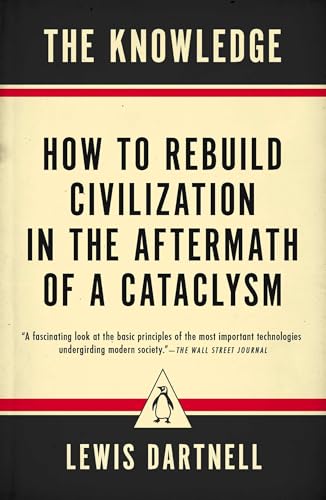
The Knowledge: How to Rebuild Civilization in the Aftermath of a Cataclysm
by Lewis Dartnell
Non-FictionCivilizationScience & TechnologyRebuildingDartnell's reboot manual for civilization: the agriculture, chemistry, materials, and medicine you would need to restart the world after a collapse — and a tour of how much knowledge modern life quietly depends on.
Explore other models
- Compounding
- Inversion
- Second-Order Thinking
- Occam's Razor
- System 1 / System 2
- Loss Aversion
- Map Is Not the Territory
- Circle of Competence
- Opportunity Cost
- Hanlon's Razor
- Narrative Fallacy
- Incentives
- Feedback Loops
- Emergence
- Social Proof
- Hormesis
- Margin of Safety
- Power Laws
- The Adjacent Possible
- Exaptation
- Consilience
- The Lindy Effect
- Antifragility
- Natural Selection
- Adaptation
- Ecosystems
- The Niche
- Carrying Capacity
- Red Queen Effect
- Diversity as Insurance