Psychology
Narrative Fallacy
We invent tidy stories to explain messy, random events after the fact.
Books that use this model

The Midnight Library
by Matt Haig
FictionPhilosophyMental HealthPersonal Growth$18.004.0 / 5Between life and death is a library, and within that library, the shelves go on forever.
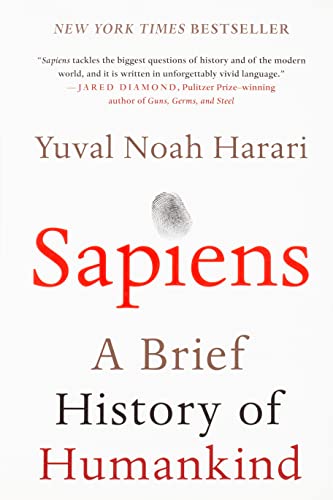
Sapiens: A Brief History of Humankind
by Yuval Noah Harari
Non-FictionHistoryAnthropologyPhilosophy$22.004.5 / 5A sweeping narrative of humanity from the Stone Age to the twenty-first century.

Gone Girl
by Gillian Flynn
ThrillerMysteryMarriagePsychology$18.004.2 / 5On a warm summer morning in Missouri, it is Nick and Amy Dunne's fifth wedding anniversary — and Amy has disappeared.

Thinking, Fast and Slow
by Daniel Kahneman
Non-FictionPsychologyDecision MakingBehavioral Economics$17.004.2 / 5A tour of the mind explaining the two systems that drive the way we think — one fast and intuitive, the other slow and deliberate.
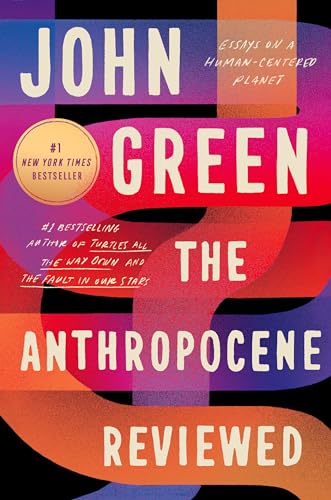
The Anthropocene Reviewed
by John Green
EssaysCultureNon-Fiction$21.004.6 / 5Essays that review human experiences on a five-star scale, from the QWERTY keyboard to the Lascaux cave paintings.
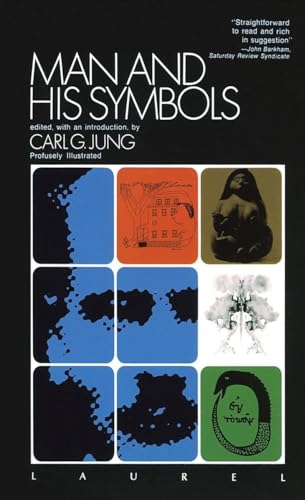
Man and His Symbols
by Carl G. Jung
PsychologyThe UnconsciousDreamsArchetypesJung and four of his closest associates introduce his psychology of the unconscious, dreams, and symbols in an illustrated volume written for general readers.
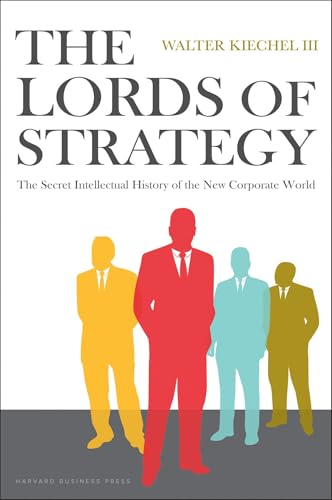
The Lords of Strategy
by Walter Kiechel
BusinessStrategyHistoryConsultingKiechel's history of how corporate strategy was invented — through Bruce Henderson at BCG, Bill Bain, Fred Gluck at McKinsey, and Michael Porter — and how it launched the modern consulting industry.
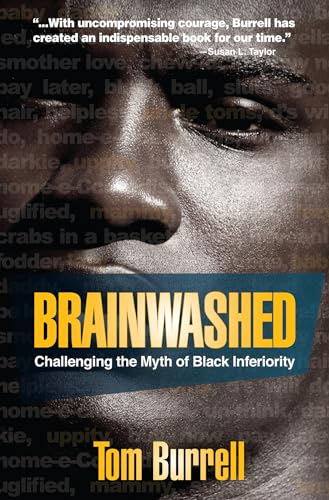
Brainwashed: Challenging the Myth of Black Inferiority
by Tom Burrell
Non-FictionMediaPropagandaBlack IdentityAn advertising legend turns his own tools on the industry that made him. Burrell — founder of Burrell Communications, the agency that changed how America markets to Black consumers — argues that centuries of propaganda sold a myth of Black inferiority so effectively that its targets internalized it, and lays out how to undo the brainwash.

The Black Swan
by Nassim Nicholas Taleb
Non-FictionRiskUncertaintyProbabilityTaleb on the events that drive history: unpredictable, massive in impact, and explained away afterward as if they had been foreseeable all along.
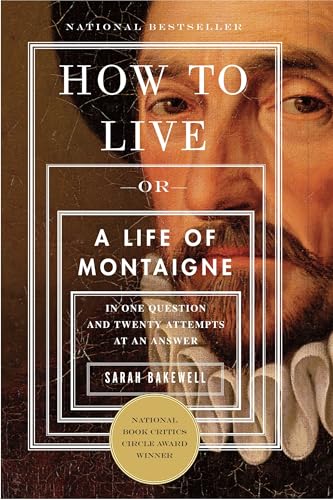
How to Live
by Sarah Bakewell
PhilosophyBiographyEssaysSelf-KnowledgeMontaigne's life told as one question — how to live — in twenty attempts at an answer: pay attention, read a lot, reflect, and keep a private room of one's own.
Explore other models
- First Principles Thinking
- Compounding
- Inversion
- Second-Order Thinking
- Occam's Razor
- System 1 / System 2
- Loss Aversion
- Map Is Not the Territory
- Circle of Competence
- Opportunity Cost
- Hanlon's Razor
- Incentives
- Feedback Loops
- Emergence
- Social Proof
- Hormesis
- Margin of Safety
- Power Laws
- The Adjacent Possible
- Exaptation
- Consilience
- The Lindy Effect
- Antifragility
- Natural Selection
- Adaptation
- Ecosystems
- The Niche
- Carrying Capacity
- Red Queen Effect
- Diversity as Insurance