Economics
Compounding
Small, consistent gains accumulate exponentially over time.
Books that use this model
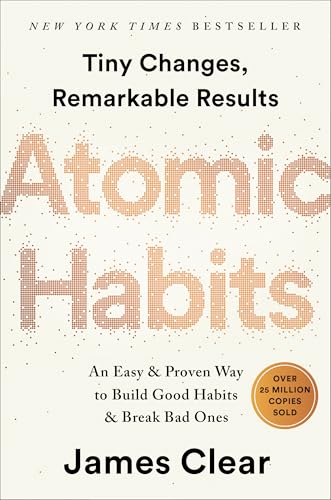
Atomic Habits
by James Clear
Self-HelpProductivityPersonal GrowthPsychology$27.004.3 / 5An easy and proven way to build good habits and break bad ones through tiny changes that deliver remarkable results.

The Overstory
by Richard Powers
FictionEnvironmentalPulitzerEpic$19.004.4 / 5EpA sweeping novel about nine Americans whose unique life experiences with trees bring them together to address the destruction of forests.
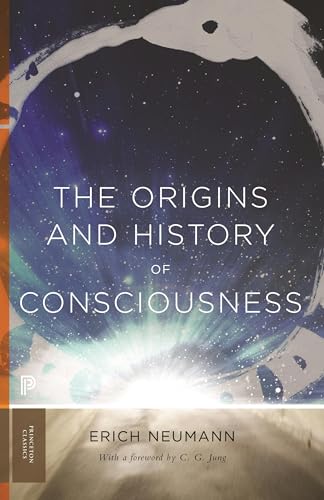
The Origins and History of Consciousness
by Erich Neumann
PsychologyConsciousnessMythologyArchetypesNeumann, one of Jung's leading students, uses world mythology to trace how individual consciousness develops through the same archetypal stages as human consciousness as a whole.
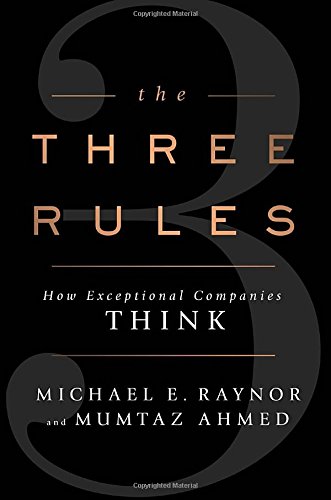
The Three Rules
by Michael E. Raynor and Mumtaz Ahmed
BusinessStrategyPerformanceManagementFrom 45 years of data on 25,000 companies, Raynor and Ahmed find that exceptional performers follow three rules: better before cheaper, revenue before cost — and there are no other rules.
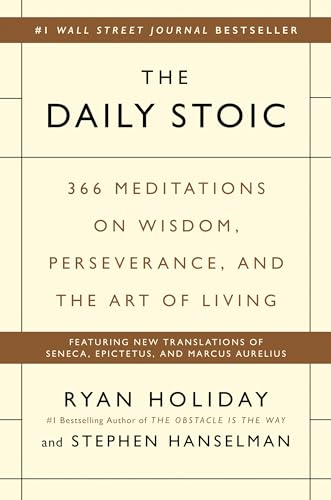
The Daily Stoic
by Ryan Holiday & Stephen Hanselman
Self-HelpStoicismDaily PracticeWisdomA year of Stoicism, one page per day: a passage from Marcus Aurelius, Seneca, or Epictetus with a short modern commentary, organized by the disciplines of perception, action, and will.

The Fifth Discipline
by Peter M. Senge
BusinessOrganizational LearningSystems ThinkingLeadershipSenge's classic on the learning organization: five disciplines, with systems thinking as the fifth that integrates the rest, and the archetypes that explain recurring organizational behavior.
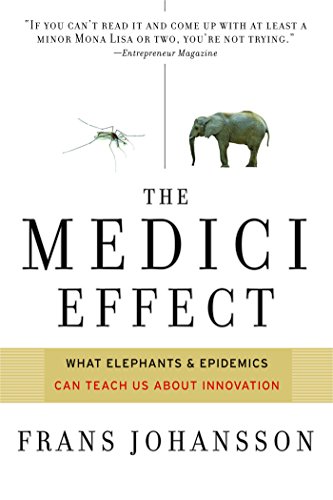
The Medici Effect
by Frans Johansson
BusinessInnovationIntersectionsCreativityBreakthrough ideas live at intersections — of fields, cultures, and industries — and Johansson shows how to put yourself where those collisions happen on purpose.
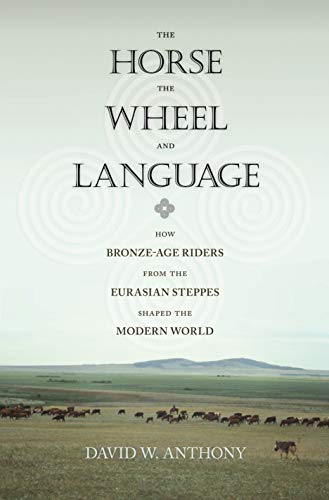
The Horse, the Wheel, and Language: How Bronze-Age Riders from the Eurasian Steppes Shaped the Modern World
by David W. Anthony
Non-FictionArchaeologyLinguisticsPrehistoryAnthony solves a two-century puzzle — where the Indo-European languages came from — by joining archaeology to linguistics: steppe riders who tamed the horse and built the wheel, and spread a language family now spoken by half the world.
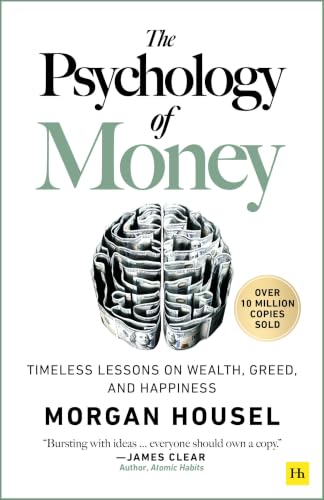
The Psychology of Money
by Morgan Housel
BusinessPersonal FinanceBehaviorWealthNineteen short stories on the strange ways people think about wealth, greed, and happiness — why doing well with money has less to do with what you know than with how you behave.
Explore other models
- First Principles Thinking
- Inversion
- Second-Order Thinking
- Occam's Razor
- System 1 / System 2
- Loss Aversion
- Map Is Not the Territory
- Circle of Competence
- Opportunity Cost
- Hanlon's Razor
- Narrative Fallacy
- Incentives
- Feedback Loops
- Emergence
- Social Proof
- Hormesis
- Margin of Safety
- Power Laws
- The Adjacent Possible
- Exaptation
- Consilience
- The Lindy Effect
- Antifragility
- Natural Selection
- Adaptation
- Ecosystems
- The Niche
- Carrying Capacity
- Red Queen Effect
- Diversity as Insurance